

Not gonna lie.
Sometimes looking at all the old, beautiful boats for sale can be a little depressing.
Prices dropping. Boats sitting for sale for months. Sometimes years. Beautiful old hulls that once represented somebody’s dream now sitting in a listing, waiting for someone to notice them.
But, perhaps, there’s a glimmer of hope…
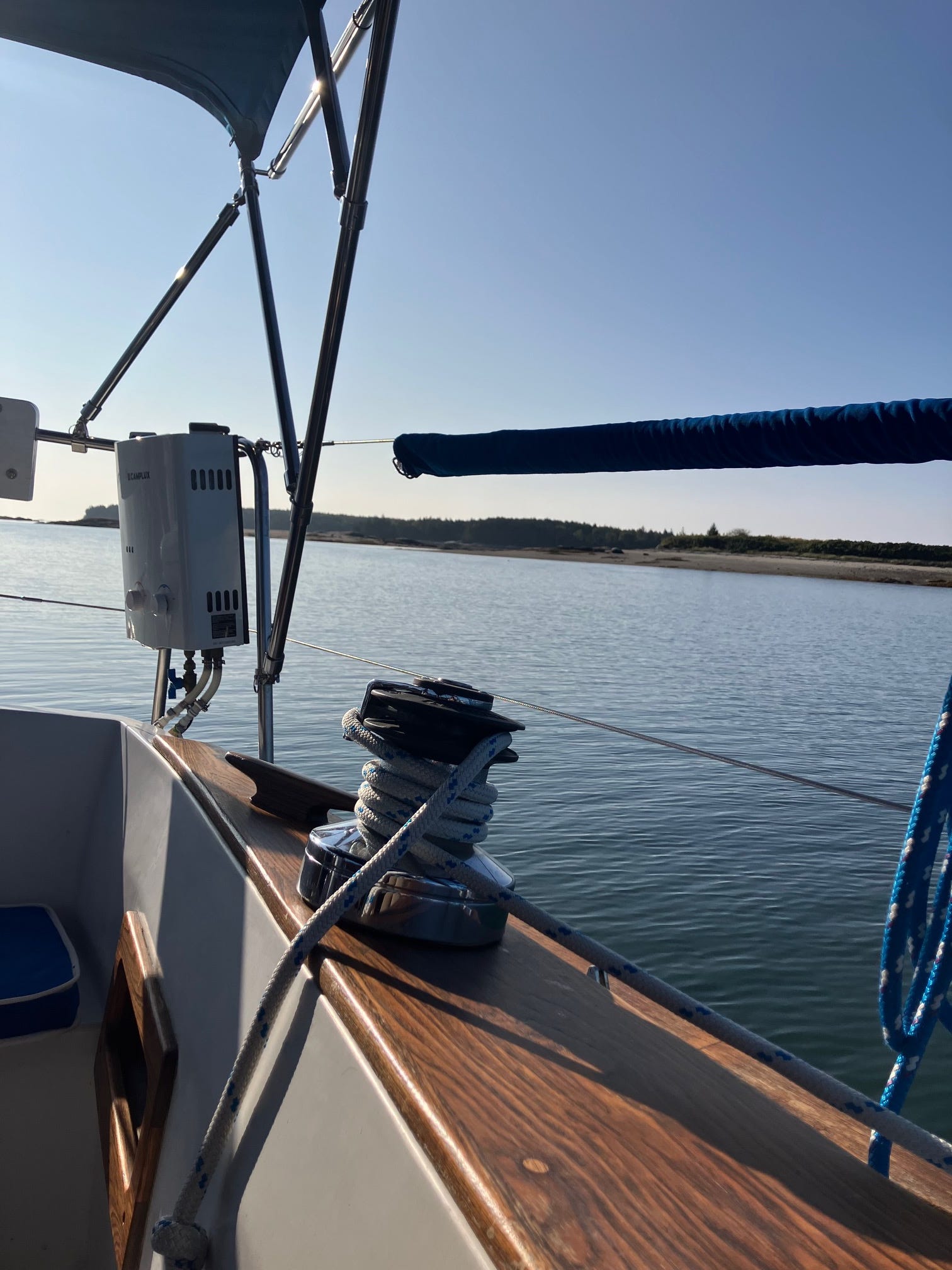
Recently, Canadian Ken, his wife, two other boats and I headed out for an overnight sail to a little archipelago of islands off the coast.
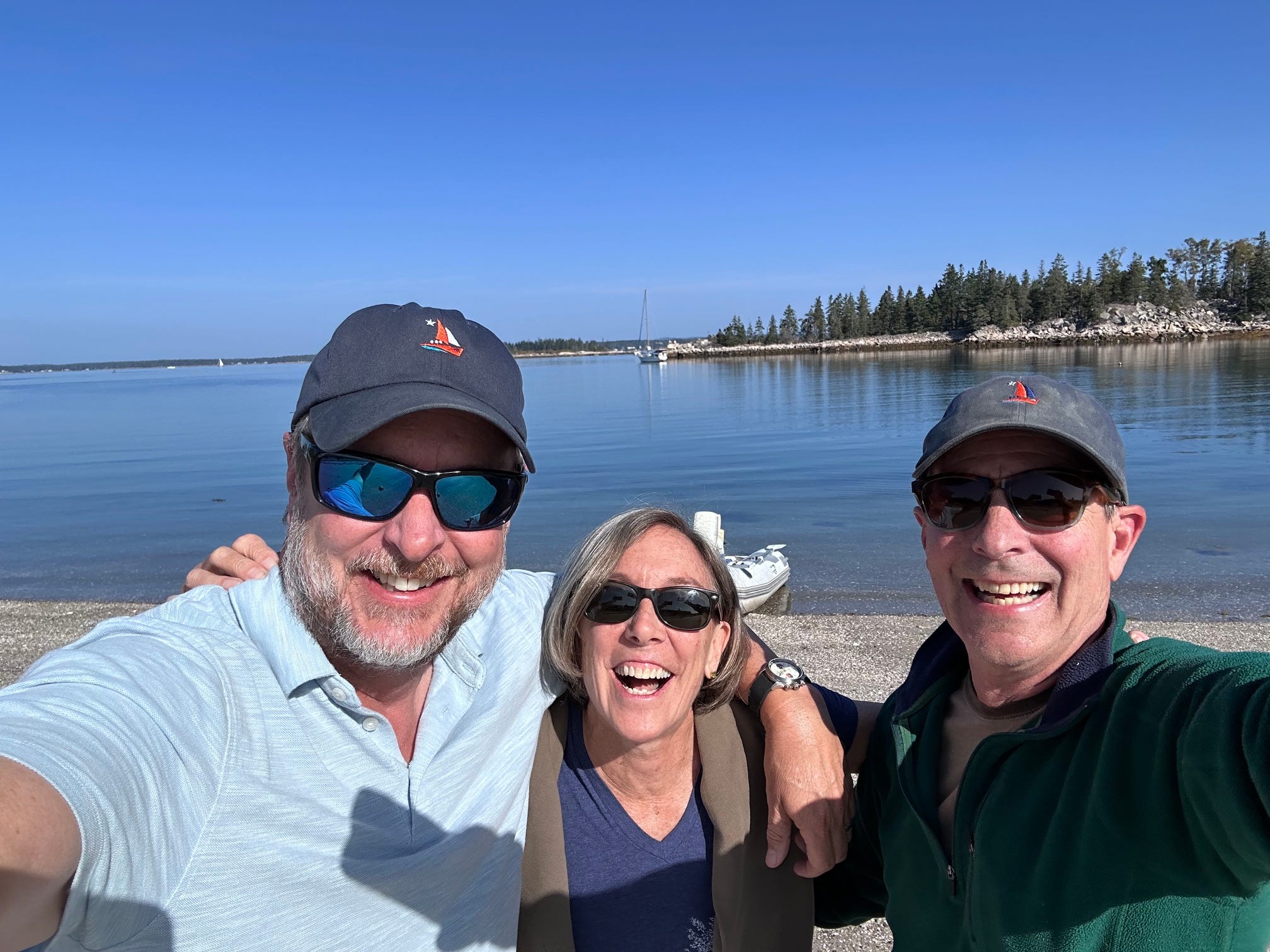
As I looked around the anchorage that evening, it occurred to me that the collective age of our three boats was probably around 120 years.
Then a fourth boat dropped the hook.
A Freedom 36 or 38, give or take.
Another 40-year-old boat.
Four boats. Not one built this century.
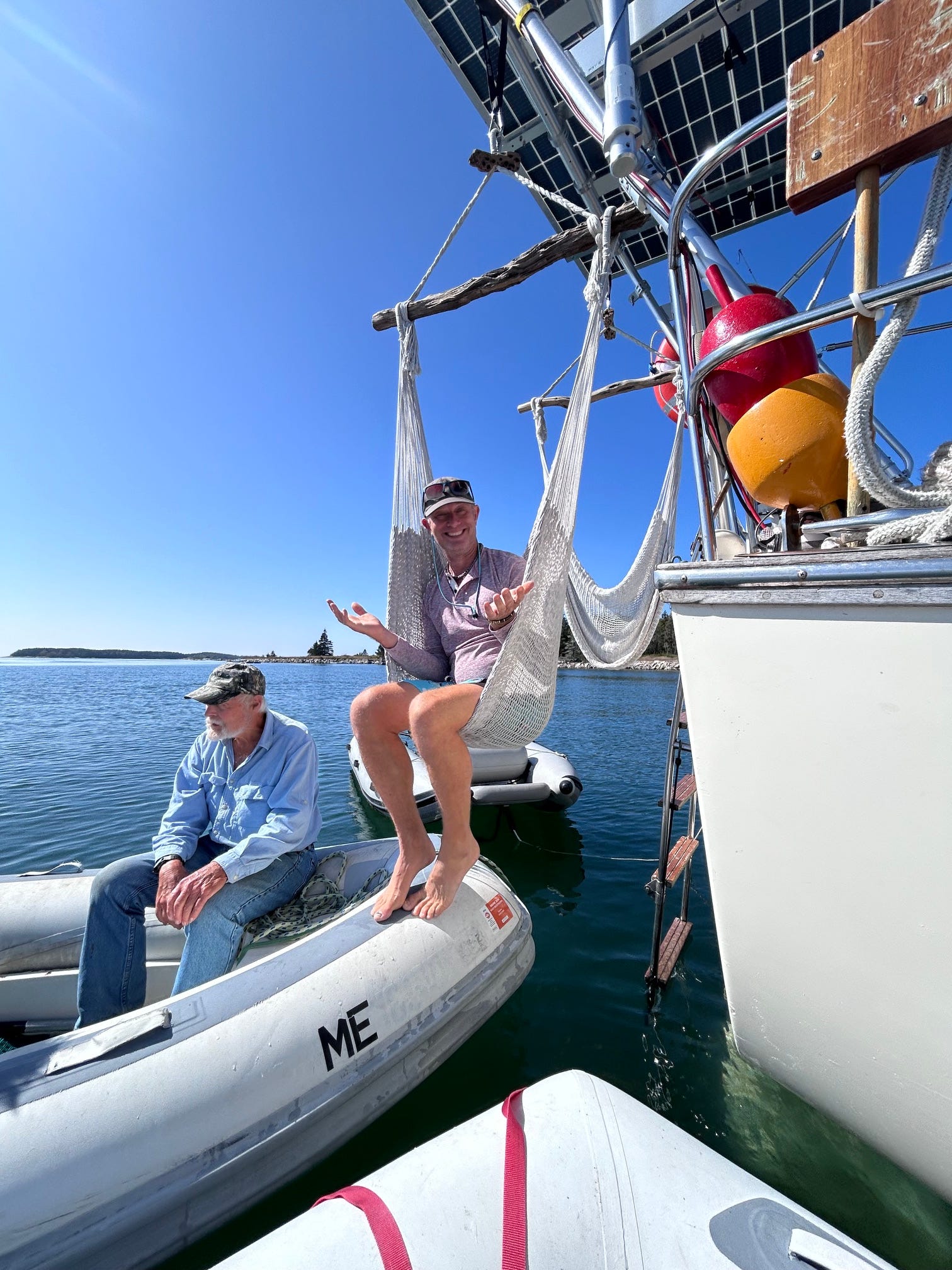
And there we were. Sitting at anchor, watching an incomparable sunset. Looking up at a sky that had more stars than we could count in a lifetime. Eating, drinking, laughing and telling stories with good friends.
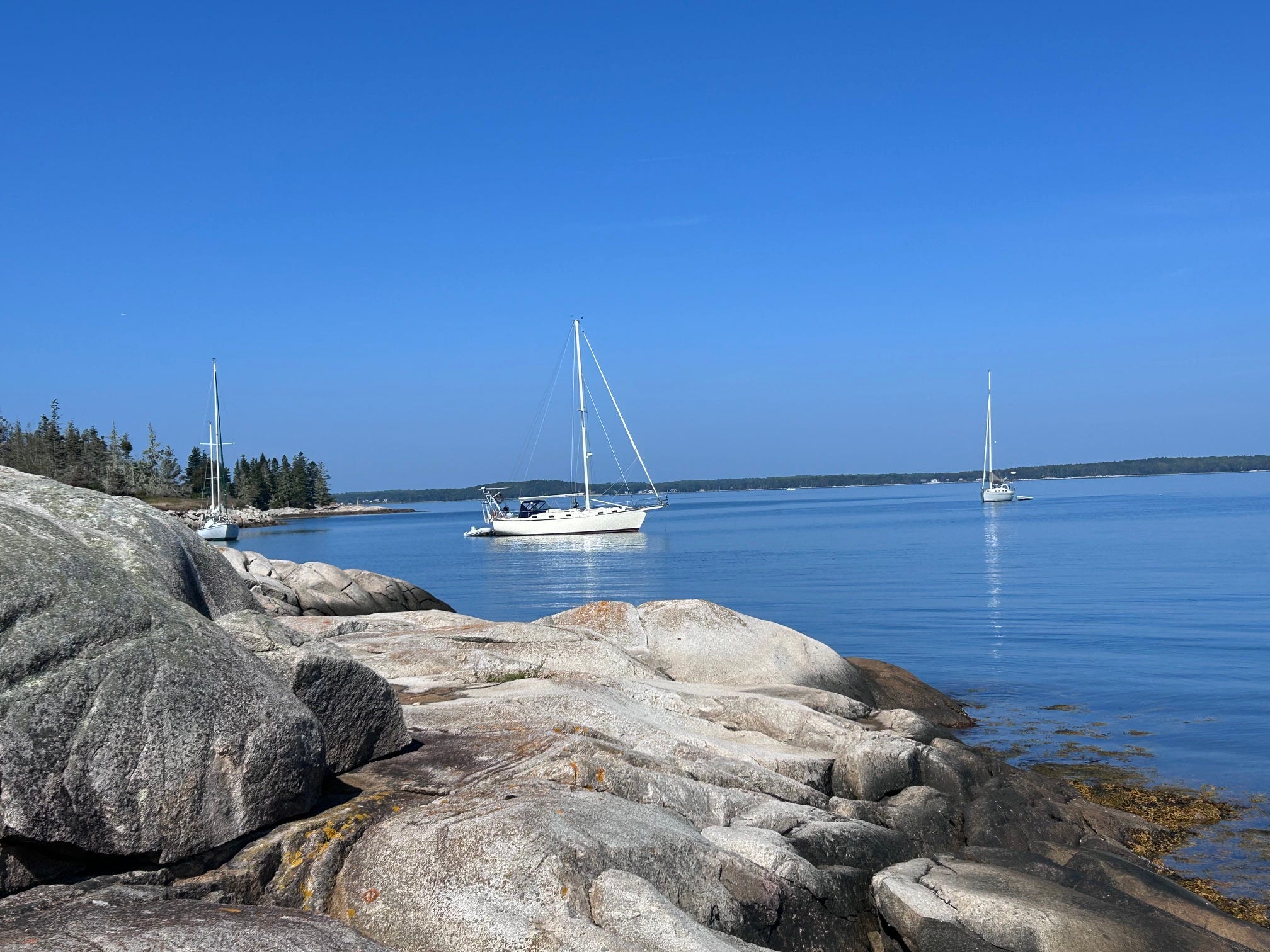
Nobody seemed particularly concerned that none of our boats was new.
In fact, that was kind of the point.
This is one of the things I love most about old boats.
You don’t necessarily need a fortune to experience the very best things boating has to offer. You need a seaworthy boat, some basic skills, a willingness to get out there—and a few people you’d like to share it with.
That’s it.
And I hope we don’t lose the infrastructure that makes that possible.
The boatyards. The public launches. The travel lifts. The mechanics. The riggers. The haulers. The people who know how to fix something when it breaks on a Sunday afternoon.
Because if all of that disappears—or if boating infrastructure increasingly becomes something reserved for the monied and fancy yachts—we’ll lose something far more valuable than a few places to park boats.
We’ll lose access to the experience itself.
And speaking of the infrastructure that supports all of us, we recently lost a true legend in our boating community.
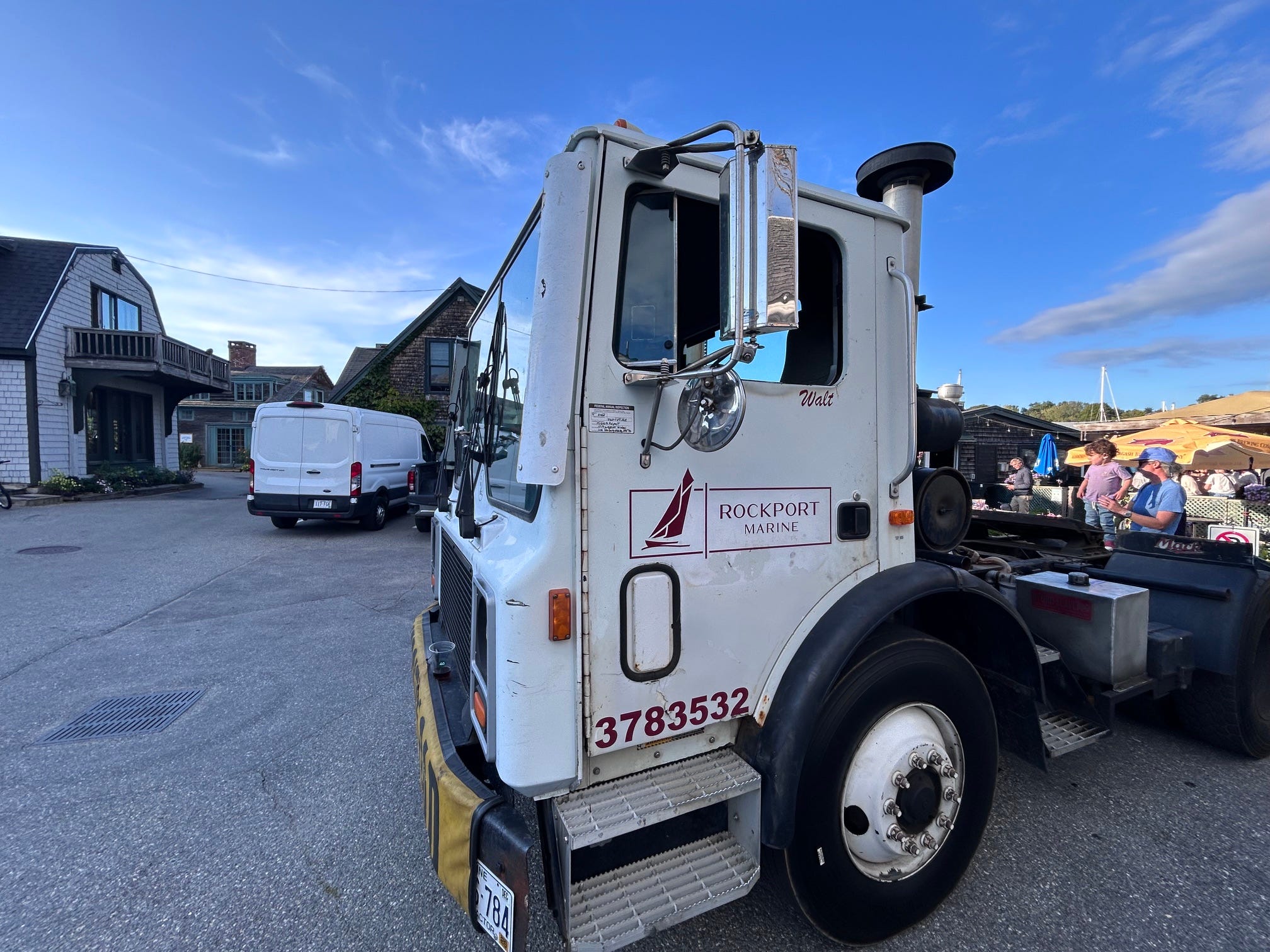
Walt.
Walt was a boat hauler, a father, and a wonderful man.
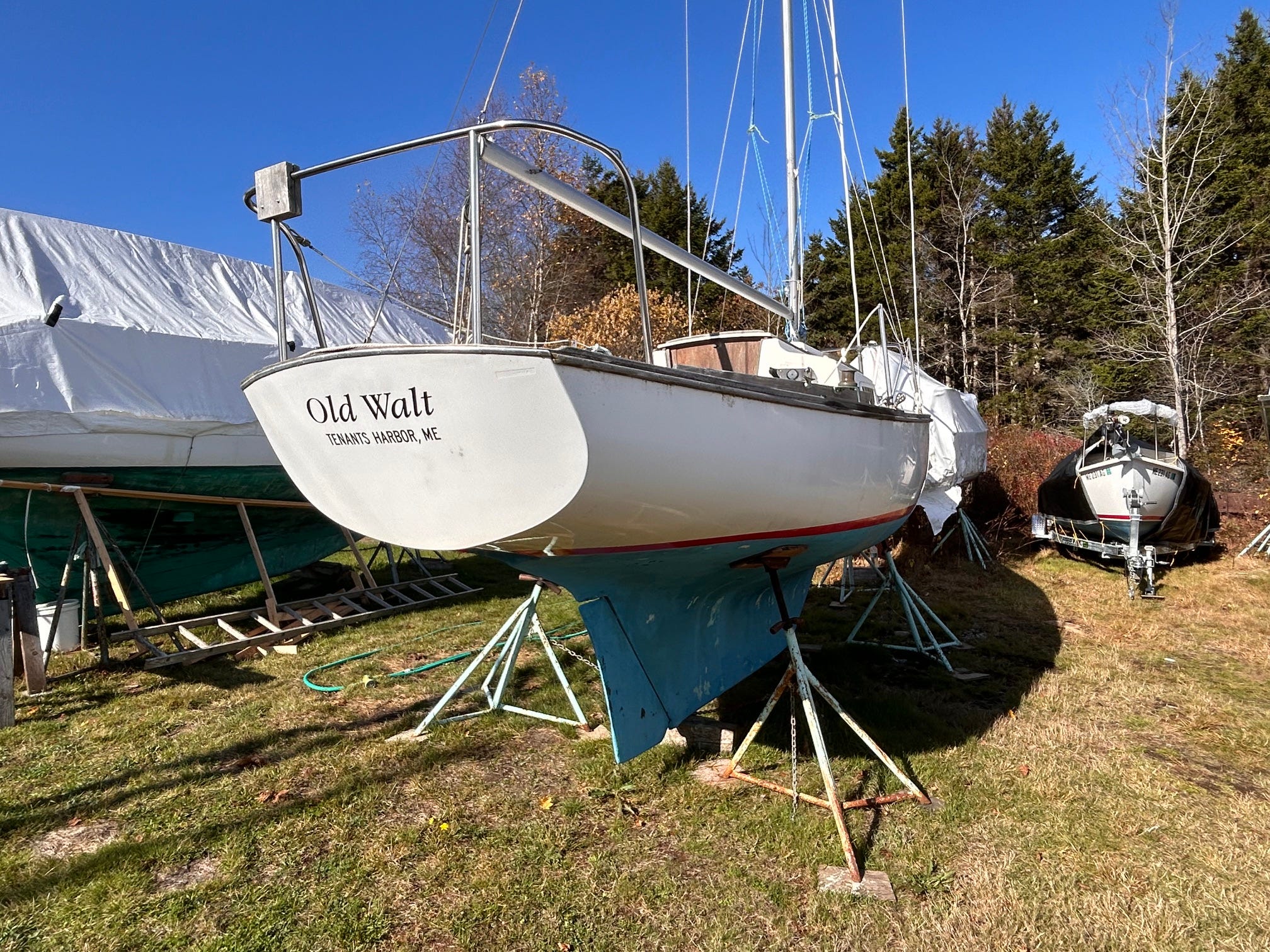
He was only 48 years young.
And he drove that hauler like a boss.
If you’ve ever watched a really good boat hauler maneuver a big rig into a tight boatyard, a backyard, or launch area, you know there’s a certain amount of magic involved. Walt made it look easy.
The public launch area in Rockport Harbor, Maine, isn’t exactly spacious. If you know it, you know what I mean.
When I was still getting comfortable driving big boats into that tight spot to be hauled by Walt, he’d often make me laugh when I was obviously a little stressed.
Then he’d say:
“You got this!”
Simple words.
But his confidence in me made a difference. And he had the same impact on Canadian Ken, Green Mountain Josh, and my stepfather, John - whose boat Walt hauled long before he hauled ours.
We didn’t want to let him down.
And we certainly didn’t want to embarrass ourselves.
Walt was imposing in stature, but completely disarming. Tall, handsome, funny, and seemingly capable of fixing or doing just about anything.
Quick with a comment that put you at ease. And he was the kind of guy you didn’t want to disappoint. His confidence became our confidence.
Over the years, we all talked about rafting up somewhere in a quiet cove, throwing back a few beer - preferably PBRs - and some rum.
Sadly, we never got the chance.
We can only imagine the laughter we would have had.
Instead, we’ll remember the haul-outs in the pouring rain. The spring launches in miserable weather. The whiskey shots we’d throw back to take the chill off while setting jack stands in late October.
And we’ll remember Walt delivering us, once again, safely into the water.
He always delivered us in one piece.
There are a lot of conversations these days about the future of boating.
About boat prices. About whether younger people can afford boats. About marinas disappearing. About the changing economics of the industry.
Those are important conversations.
But sometimes I think about that night at anchor.
Four old boats.
A bunch of people. A sunset. A sky full of stars.
And a whole lot of laughter.
Maybe that’s the future of boating worth fighting for.
Not necessarily newer boats.
Not necessarily bigger boats.
Just boats—and the people and places that allow us to use them.
And people like Walt who make all of it possible.
We hope wherever he is, Walt has found everlasting peace.
And we hope there’s a beautiful harbor there.
Because if there is, we have a feeling he’s already figured out how to get the boats in and out.
And he’s probably telling somebody:
“You got this.”
Man. This hit home. Remember, Walt hasn’t passed away, he transitioned into spirit form!
I like your view of older boats being good boats. If one is reasonably handy a good case can be made for refitting an older boat. Just try to about stuffing it with complicated systems.