

Every few months—lately it feels like every few weeks—another YouTube video pops up asking the same ominous question:
“Is sailing dead?”
“Is the sailing industry collapsing?”
“Are boats only for the ultra-rich now?”
There is truth in some of what’s being said. Costs are up. Access is tighter. Marinas are full. Moorings are scarce. Insurance feels arbitrary and cruel. And yes—getting into sailing today is harder than it was, say, 20 or 30 years ago.
But here’s the thing:
Harder does not equal dead.
(Our favorite saying: EASE IS THE NEW DISEASE!)
From where we sit—boots on docks, crawled into bilges, talking to owners, buyers, yards, and surveyors—sailing is very much alive. It’s just changing. And like every transition before it, those who understand the new rules will still get afloat.
The Real Barriers (And They’re Not the Boats)
If you’re thinking about buying a sailboat today, here are the FOUR non-negotiables—and they all come before you write a check—OR EVEN LOOK AT A BOAT:
1. Know where you’re going to store it
On the hard. In a yard. Under a tarp. Inside a barn if you’re lucky.
Winter storage is no longer an afterthought—it’s a primary constraint.
2. Know where you’re going to moor it
Slip? Mooring? Town list? Private harbor?
Availability matters more than money in many places now.
3. Know how you’re going to move it
From purchase point to your sailing waters.
Delivery, transport, timing, weather windows—solve this BEFORE you buy.
4. Know how to SAIL!
This is the new one we’re going to harp on — because insurers already are.
That ties directly to the insurance section that follows.
Skip any one of these steps and you’re not buying a boat—you’re buying a problem.
Insurance: Let’s Clear the Air
We hear this constantly:
“Insurance companies won’t insure older boats anymore.”
That’s not actually true.
Here is the truth, and it’s blunt:
It’s not the boat. It’s you.
If you don’t have experience—documented experience—you will struggle to get insurance. Period.
Older boats can be insured. But insurers want to know who’s driving, not just what’s floating.
This isn’t new. It’s just being enforced harder. And it’s being enforced consistently.
Time on the water matters. Training matters. Deliveries matter.
And yes—sometimes starting smaller matters.
Take away? Get experience. Take some hands-on classes through ASA or other accredited programs. If you don’t have experience, it doesn’t matter if you’re buying a brand new 44-foot Halberg-Rassy or an old Morgan 382 - YOU WILL NOT GET INSURANCE (unless you lie). And if you lie and get caught, it’s game over.
GET THAT EXPERIENCE.
Two Real-World Boat Stories (Right Now)
The Bristol 40 – Then and Now
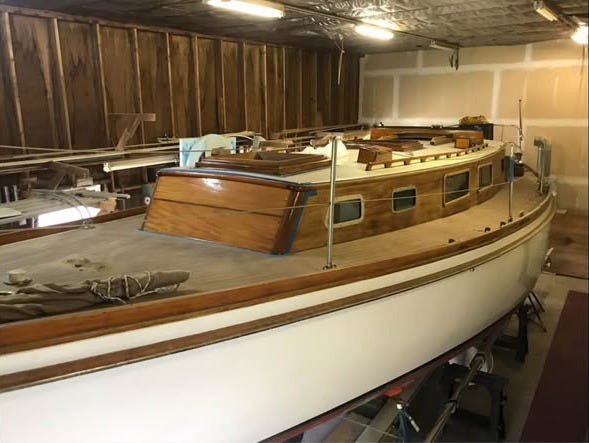
A long time ago, we profiled a Bristol 40—a serious, offshore-capable cruising boat.
She’s back on the market.
Asking price: $15,000.
Let that sink in.
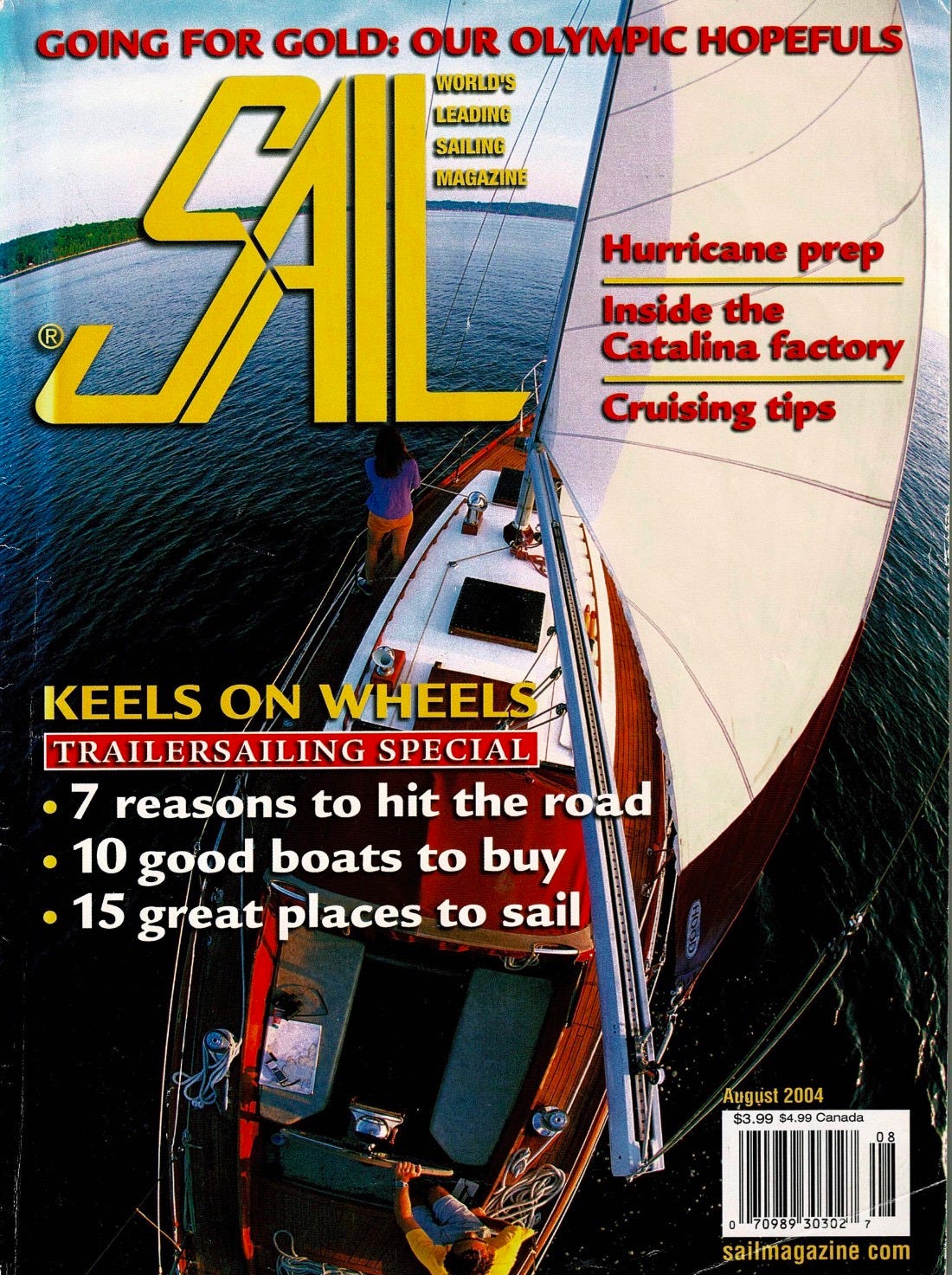
This very boat was on the cover of SAIL Magazine in 2004. A previous owner of this boat contacted us to let us know this detail - and more of her backstory. Pretty cool.
These boats still exist. You just have to know how (and where) to find them. And this one is waiting for the perfect buyer.

Boots on the Ground: Viewer Feedback We Love
One of our viewers watched our “Top 10 Sailboats Under $25K In The USA!” episode and went to see the Pearson 365 in Texas—a boat we were genuinely excited about.
Their report back?
“Every bit as nice as the listing suggested.”
It ultimately wasn’t the right size for their needs—but the fact that viewers are watching, going to see boats, and reporting back?
That made our week.
That’s the BoatFools loop working exactly as intended.

Let’s Talk Numbers (Because Data Matters)
In 2025, we profiled 31 sailboats.
17 of them sold.
That’s 55%.
Prices ranged from FREE to $215,000.
We’re not brokers.
We don’t get a commission.
But we are genuinely happy every time one of these boats gets a second (or third) life under sail.
Because boats don’t die when markets soften.
They die when people stop believing they’re worth saving.
So… Is Sailing Dead?
No.
It’s harder.
It’s more constrained.
It requires more planning and realism than it used to.
But it’s not dead.
It’s just shedding illusions—and rewarding those willing to learn the new rules and do the work.
Thank You
As we head into the holidays, we want to say this plainly:
Thank you.
For watching.
For reading.
For emailing us listings, feedback, corrections, and encouragement.
For going out and actually looking at boats.
We’re grateful for this community, and we’re excited for what’s ahead.
Here’s to more boats sailing again in 2026.
— BoatFools Sailing ⚓
Happy Holidays to all of you.
Your advice for prospective sailboat owners is solid. I would add one useful thing that makes insuring an older boat easy: A recent professional survey that shows the boat to be in great condition. I just insured my 1974 Pearson 35 with BoatUS. My survey detailed a lot of new, major upgrades. When the insurance company saw the survey, there was no problem obtaining coverage. Key point: Don't buy a boat that doesn't survey well, unless you intend to upgrade everything. That Bristol 40 in your piece is a worthy candidate for restoration. But she'll need an owner that is committed. The upside is that would cost less than a new boat, and when you're done you've got a thing of true beauty. This is the key market dynamic. Heavily updated and well-maintained boats sell quickly and are easy to insure.
Let’s not forget the small-boat option for “getting into sailing.” Anything over about 28 feet as a first boat is probably asking for trouble and disappointment. Maybe divorce. Yes, take a course. Crew some big-boat races. Do some deliveries if possible. But a boat in the 15- to 20-foot range is a great place to gain real experience. Think O’Day Mariner, Cape Dory Typhoon, Pearson Ensign, WW Potter, Compac 16/19/23. There are loads of dependable old trailer sailers out there that will teach the fundamentals without breaking the bank or posing insurance and storage dilemmas. They are great for single-handing and offer plenty of adventure on inside waters—in between watching BoatFools videos and dreaming of bigger seas.